Arthroscopy is a keyhole surgery whereby a mini camera is inserted into the joint through small cuts in the skin, allowing the surgeon to see the inside of the joint. Instruments are inserted through other small incision to repair the joint. Arthroscopy for rheumatoid arthritis can help to improve the symptoms to much extent, but it does not cure the underlying rheumatoid arthritis condition.

Knee arthroscopy external view

What To Expect After Arthroscopy?

Arthroscopy is usually done as a day surgery, there is no need to stay overnight in the hospital. Three day’s later after the surgery, the dressing will be changed in the clinic. For knee, hip or ankle arthroscopy, you may need to use crutches if you are not able to weight bear.

Why Arthroscopy Is Done?

Arthroscopy for rheumatoid arthritis is done to treat large joints such as hip, shoulder and knee. The procedure of an arthroscopy include:

  • Cleaning and removing debris from the joint.
  • Removing loose bodies (pieces of bones or cartilage floating) from the joint.
  • Shave out rough or irregular joint surfaces.
  • Removal of inflamed tissues  in the joints.

Arthroscopy is not suitable for severe damage to the joint.

How Well Does Arthroscopy Works?

Arthroscopy provides pain relief to a certain extent and sometimes it can help to improve the range of movement.

Risks of Arthroscopy

As with all other surgery, there is a risk in arthroscopy. However, the risk is small such as infection or bleeding in the joint.

What To Think About Should You Decide for Arthroscopy

Arthroscopy helps for many conditions as it provides a window for the surgeon to view the actual condition of the joint and the surgeon can perform repair at the same time. Bear in mind, arthroscopy for rheumatoid arthritis can help with the symptoms but it does not cure the underlying rheumatoid arthritis disease.
Book Appointment Online for Arthroscopy Treatment

Ganglion cyst is commonly found in the wrist, however, it can grow in the foot as well.

Ways of removing a ganglion cyst

  1. Aspiration of a ganglion cyst (Non-surgical method).
  2. Surgically remove the ganglion cyst.
Ganglion Cyst In Wrist

What is an aspiration of a ganglion cyst?

Aspiration of a ganglion cyst is a conservative method to remove the fluid (aspirate) from the ganglion sac without surgery.

Your doctor can perform the aspiration of the ganglion cyst in the clinic by the following steps:

  • A local anaesthetic is injected into the ganglion to numb the area.
  • Once the area is numb, a sterile needle is inserted into the ganglion cyst.
  • The fluid is drained out of the ganglion sac.
  • The ganglion collapse like a deflated ballon.
  • A small plaster is used cover the needle wound.
Aspiration of a ganglion cyst by draining the fluid with a needle may work for some patients but not for all patients. This is because the ganglion sac is still in the body and may gets fill up again, causing the ganglion to reoccur.

Many patients prefers to try the aspiration of the ganglion cyst as the first line of treatment, if the ganglion returns, some opted for surgically remove the ganglion cyst.

Surgical removal of a ganglion cyst

You can consider surgically remove the ganglion cyst if you do not respond well to the conservative way of aspiration of the ganglion cyst or you experience the following:

  • Pain.
  • Obstructing your daily activities or motion.
  • Changes in sensation.
  • Becomes unsightly.
  • Damage to the bones or ligaments.

The goal of the surgery is to remove the ganglion sac and the connecting tissue that allows the fluid to collect.

Surgical removal of a ganglion cyst can be done as a day surgery.

Ganglion Cyst

Picture of a Ganglion Cyst Removed from the Wrist

Book Appointment Online for Ganglion Cyst Removal Treatment

How are bone spurs treated?

If the bone spur continues to cause symptoms, our doctor may suggest a corticosteroid injection at the painful area to reduce pain and inflammation of the soft tissues next to the bone spur.

What is a bone spur?

A bone spur also known as osteophyte is a bony growth formed on your normal bones. Bone spur can caused wear and tear or pain when it presses or rubs on other bones or soft tissues like nerves, tendons or ligaments in the body. Common places that bone spur will be likely to grow are the spine, shoulders, hands, hips, knees and feet.

What causes bone spurs?

A bone spur forms as the body is trying to heal itself by building extra bone. Bone spur typically forms in response to pressure, rubbing, or stress that continues for a long period of time.

Some bone spurs form as we age. During the aging process, the cartilage that protects the ends of the bones within joints will break down and wears away eventually, known as osteoarthritis. Also, the discs that situates in between the bones of the spine may also break down with age. As time goes, this process will lead to pain and swelling and in some people, bone spurs will form along the ends of the joint. Bone spurs cause by aging is very common in the joints of the spine and feet.

Common condition cause by bone spur:

Bone spur in heels

Plantar Fasciitis

Bone spurs form in the feet in response to tight ligaments, to running or dancing that puts stress on the feet, and to pressure from being overweight or poor fitting shoes. For e.g., the long nerve tissue on the bottom of the bottom of the foot called plantar fascia can become can become stressed and caused inflammation,  known as plantar fasciitis. As the body trying to heal itself, a bone spur may form on the bottom of the heel (known as “heel spur”). Pressure at the back of the heel as a result of frequent wearing shoes that are too tight can also cause a bone spur at the back of the heel.

Bone spur in shoulder

Rotator Cuff Tear

Another common site for growth of bone spur is the shoulder. Shoulder joint is a flexible joint that is able to move in different directions. Over time, all the structures of the shoulders like ligaments, tendons and the bones will wear out and rub against one another. The muscles that enables you to lift and rotate your arm (known as rotator cuff), runs from your shoulder blade to your upper arm with tendons. As these tendons move about in a very narrow space in between the top of your shoulder and your upper arm, they tend to rub on the bones. Bone spurs can form in this narrow area that, in turn, will pinch the rotator cuff tendons, resulting in inflammation, stiffness, weakness, pain, and sometimes tearing of the tendon. This condition is also known as rotator cuff disorder occurs with age or sometimes repetitive use of the shoulder. Rotator cuff disorder occurs commonly in athletes, especially badminton players, and people working as painters as they need to often work overhead activities.

What are the symptoms if you have bone spur?

A lot of people have bone spurs without knowing it, because bone spurs cause no symptoms. However, if the bone spurs are pressing or rubbing against other bones or soft tissues, the soft tissues can break down over time, causing swelling and pain. Bone spurs in the foot can also cause corns and calluses when the tissues build up to provide padding over the bone spur.

How are bone spurs diagnosed?

Bone spur is usually detected by an X-ray. X-ray can also be used to problems associated with bone spurs, such as arthritis.
Book Appointment Online for Bone Spur Treatment

As children and teenagers are more flexible, in this age group back pain is not common as compare to adults. Only about 1 to 4 young competitive atheletes and 1 on 6 young recreational atheletes will have occasional back pain. Back pain in children that happens immediately after an injury or an atheletic event should be checked by a doctor.

Overuse injury can cause back pain in children. As overuse back injury happens gradually, children or parents may not be able to remember what injury that triggers the back pain or when the back problem started. Carrying heavy backpack may increase a child’s chances of a back injury or problem.

Back pain that is very severe and limits a child’s daily activities or back pain that lasts for 2 weeks or longer, needs to be checked by a doctor.

Back conditions that affect children and teenagers

  • Pain that is made worse by specific movements, such as swimming, gymnastics, or contact sports, may be caused by spondylolysis or spondylolisthesis. Young athletes with low back pain have a higher risk of spondylolysis. These back injuries are usually caused by activity and overuse.
  • Scheuermann’s disease can cause pain to the back. However, it is not severe enough to affect the daily activities of your child. It is the second most common cause of back pain in children and teenagers. Scheuermann’s disease may cause your child to have a rounded spine.
  • If your child who is awakened by back pain during the night may have an infection, arthritis, or tumour of the spine.
  • Back pain that happens with changes in balance or coordination may be a cause in the brain or spinal cord.

Back pain symptoms may be caused by other problems that the children is having. If you suspect that your child is having a spine problem, bring them to see a doctor to check their spine.

Book Appointment

← Back

Thank you for your response. ✨

Break free from the pain associated with Osteoarthritis

With an estimated 151.4 million people globally suffering from osteoarthritis, the leading cause of knee pain, these are numbers that speak for themselves. In the National Survey of Senior Citizens in Singapore, bone and joint disorders were the most commonly reported medical ailments and a local study rates osteoarthritis (OA) as the fifth leading cause of disability burden for males and females.

Osteoarthritis is a crippling condition of the knee for which there has until now been no remedy. To the layman, Osteoarthritis is called the “wear-and-tear” kind of arthritis. In fact, Osteoarthritis is such an old condition that scientists have found evidence of osteoarthritis in ice-aged skeletons. Despite the longevity and frequency of the disease, the cause is still not completely known and there is no cure. Hence, most sufferers face a lifetime of pain and disability. They had little choice but to consume painkillers or, in some cases, undergo total knee replacement surgery.
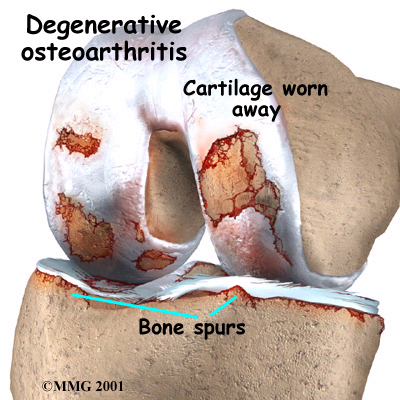
However, many different factors may play a role in whether or not you get Osteoarthritis, including age, obesity, injury or overuse and genetics. Your osteoarthritis could be caused by any one or by a combination of any these factors. As the condition involves the breakdown of the joint’s cartilage, there is no cushion to prevent the bones from rubbing each other. Hence sufferers, experience stiffness, pain and loss of movement of the joint.

There are several stages of osteoarthritis and these include: cartilage losing elasticity and is more easily damaged by injury or use; bony growths called spurs may develop near the end of the bone of the affected joint; bits of space; the joint lining (synovium) becomes inflamed; affect the shape and makeup of the joint so that it doesn’t function smoothly which makes walking upstairs sheer torture, to name a few.

But having no cure doesn’t mean you don’t need to see a specialist doctor. It is important to consult and understand what the doctor might offer to ease the pain. Help is on the way though, simply by modifying certain risk factors that are important for Osteoarthritis prevention.

Maintain  your ideal body weight

It’s been scientifically proven that the force of three to six times a person’s body weight is exerted across the knee while walking. Thus, being 10 pounds overweight increases the force of the knee by 30 to 60 pounds with each step made. Losing weight can certainly reduce stress on your joints.

Exercise regularly

Don’t shun the truth that performing 30 minutes of moderately strenuous exercises at least five days a week is good for optimal joint and bone health. your heart also benefits from regular exercise so it’s better to get some exercise as opposed to no exercise.

Protect your joints

Conserve your energy and preserve joint function simply by being mindful about proper movements and posture.

Avoid repetitive stress on the joints

Our bodies do not like repetitive movements or any activity with awkward motion and incorrect posture. Overexertion and muscle fatigue doesn’t bode well on your joints, too. If your occupation involves repetitive movements, you might want to reassess it. Try to find solutions at your workplace to avoid prolonged periods of repetitive stress.

Listen to your pain

Pain is your body’s way of telling you that’s something is wrong so always listen to it.

Balancing rest and activity is clearly optimal for health joints. Adopt self-management rules to prevent yourself from over-working your joints and not pushing past your limits. Recognising pain will always prevent you from getting further injury.

Avoid injury to joints

Previous joint injury is recognised as a common cause of osteoarthritis. In joints burdened by improper alignment due to injury, articular cartilage wears away and osteoarthritis can begin to develop. Avoid injury if at all possible – and if you do injure a joint, seek treatment immediately.
Book Appointment Online for Osteoarthritis Treatment