What is PRP – Platelet Rich Plasma?


Platelet Separated From Own's Blood
Platelet Separated From Own’s Blood

The human body has a natural ability to heal itself from most injuries. A large part of this ability lies in the healing potential of the many growth factors found in our platelets, a component of human blood.

The recent advancement in separation and concentration of a patient’s blood platelets for injection into his damaged body part, is an amazingly elegant tissue regenerative technology.

Although it involves the drawing of a small tube of a patient’s blood, and the injection of the treated body part with his concentrated platelets, the ability to heal his injured muscles, tendons, and other body parts make this a very promising treatment option for many patients.

Platelet rich plasma (PRP) is derived directly from your own blood. PRP is a blood plasma with concentrated platelets. Contained within platelets are high concentrations of bioactive active proteins that aid in healing, including growth factors which are necessary to initiate connective tissue healing. With concentrated amounts of these proteins in an injured area, healing and tissue repair is accelerated. Healing can occur in various tissues including tendons, ligaments, muscle and bone. Along with tissue repair the regeneration process also stimulates new blood vessel growth which also promotes the wound healing process.

Where Does Platelet Rich Plasma – PRP Come From?


A small amount of your blood (30-60 cc) is taken from your arm. The blood is then placed in a special kit and centrifuged. The centrifuge processes the blood, extracting the PRP, leaving the excessive plasma and red blood cells in the container. The PRP is a concentration of platelets and growth factors, concentrated up to 500%.

Injuries are prevalent in sports, and athletes often have to take time off for surgery and rehab.

Platelet Rich Plasma Therapy helped Tiger Woods’ left knee.

It is available right here in Singapore Sports and Orthopaedic Clinic. It’s done right in the clinic, and you don’t have to be an athlete to benefit.

Platelets have long been known to help the blood clot, but in the last 20 years research has shown that when activated in the body, they release healing proteins called growth factors.

In addition to tennis elbow, platelet-rich plasma therapy can also be used for problems with the Achilles tendon and knee and heel pain, and is also showing promise in treating osteoarthritis.
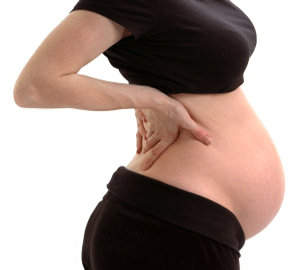
The majority of musculoskeletal problems that arise during pregnancy can be prevented and treated with physiotherapy. Individualised physical therapy programs have been found to be more effective than group sessions for the reduction of pain and sick leave caused by back pain in pregnancy. Individualised session’s should include exercise therapy, postural training/advice, and ergonomics recommended once weekly over a 5 week period.

The 2003 joint statement of the Society of Obstetrician and and Gynaecologists (SOGC) and the Canadian Society of Exercise Physiology (CSEP) regarding exercise during pregnancy recommended resistance exercise in addition to aerobic exercise for pregnant women. “Women and their care providers should consider the risks of not participating in exercise activities during pregnancy, including loss of muscular and cardiovascular fitness, excessive maternal weight gain, higher risk of gestational diabetes or pregnancy-induced hypertension, development of varicose veins and deep vein thrombosis, a higher incidence of physical complaints such as dyspnea or low back pain and poor psychological adjustment to the physical changes of pregnancy.” (Wolfe et al 2003).

Back Pain During Pregnancy

Pregnancy related problems that benefit with physiotherapy & exercises

The most common are musculoskeletal problems like back & pelvic girdle pain (approx. 50% prevalence in pregnancy [Britt et al 2004], thoracic pain and nerve compression syndromes (e.g. carpal tunnel, ulnar nerve neuritis, de Quervain’s tenosynovitis).

Pelvic girdle pain and back pain

According to Artal et al (2008) most of the musculoskeletal problems that pregnant women experience are related to the altered postures. Whilst it may not be possible to stop this process from occuring, it is possible to minimise these maladaptive postures. With posture advice and strengthening of the core muscles, the weakened structural integrity can be somewhat restored. This helps reduce or eliminate many of the common discomforts associated with pregnancy and improve postpartum recovery, particularly those associated with back problems (Artat et al 2008, Hammer et al 2000).

Nerve pathologies

Exercises to mobilise the nerves within nervous system can also be advised for women with nerve compression.

How does the doctor assess whether physiotherapy suits me?

Our doctor who specialise in back pain issues associated with pregnancy can recommend exercises for pregnant and post-partum women after an assessment which generally consists of an analysis of the following:

  • Joint mobility and symmetry
  • Muscle imbalances and strengths
  • Neurological evaluation
  • Evaluation of functional limitations
Physiotherapy treatment techniques in addition to exercise commonly include:
  • Pain management
  • Techniques to aid joint and soft tissue flexibility
  • Recommendations for sleeping and resting positions
  • Posture correction and ergonomic advice
  • Postpartum rehabilitation