Brief Outline of Patella Dislocation

A dislocation of the kneecap is whereby the kneecap slides partially out of the groove in which it is designed to travel. Pain and swelling may accompany this condition. Athletes who suffer from a muscle imbalance or a structural deformity, such as a high kneecap, have a higher risk. This condition can also happen with forceful contractions, such as planting to change direction or landing from a jump.

Kneecap Dislocation

Cause of Patella Dislocation

Strength imbalance between the outer quadriceps group and the inner quadriceps group. Impact to the side of the kneecap. Twisting of the knee.

Signs and Symptoms of Patella Dislocation

Feeling of pressure under the kneecap. Pain and swelling behind the kneecap. Pain when bending or straightening the knee.

Complications if Left Patella Dislocation Unattended

Continued dislocations can cause small fractures in the patella, cartilage tears, and stress to the tendons. Failure to treat a patella dislocation could lead to chronic dislocation injury.

https://www.orthopaedicsurgeon.com.sg/book-appointment/

Brief Outline of Osteoarthritis Knee

Osteoarthritis, or degenerative joint disease, is a progressive degenerative disease that wears away at the joint cartilage, which is a stiff connective tissue that allows for smooth movement as the knee joint flexes and extends, and which also acts as a shock absorber. As osteoarthritis progresses, the protective cartilage becomes thin and, in extreme cases, the ends of the bones can be exposed. Osteoarthritis of the knee is more common in patients who are over 50 and overweight.
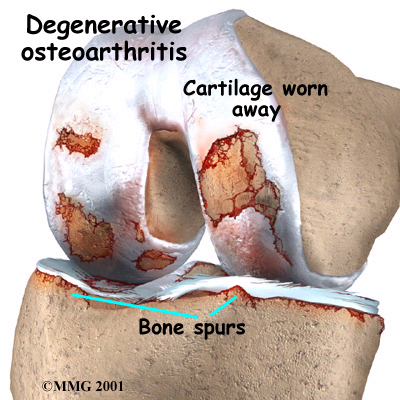
Osteoarthritis Knee

Cause of Osteoarthritis Knee

Long-term repetitive overuse. Excessive weight or overloading of the knee joint. Previous injury to the knee, such as fracture or a meniscus injury.

Signs and Symptoms of Osteoarthritis Knee

Pain, swelling, and tenderness, especially during activity. Stiffness and limited range of motion. Crunching, grinding, and locking of the knee joint.

Complications if Left Unattended Osteoarthritis Knee

If left unattended the cartilage will degenerate to the point where the ends of the bones will be grinding on each other, at which point surgery will be the only option for relief.

Treatment for Osteoarthritis Knee

Anti-inflammatory medications. Synvisc Injection.

Rehabilitation and Prevention for Knee Osteoarthritis

Osteoarthritis is an extremely difficult condition to reverse, so prevention is a high priority. All efforts should be made to reduce any excess body weight and modify any activities that put repeated stress on the knee joint. Improving the condition of the muscles around the knee with strengthening and stretching exercises will provide added support to the knee joint. Another alternative is to take glucosamine supplements, which may help to prevent further degeneration of the cartilage, and may even help to rebuild it.

Long-term prognosis and surgery

If prevention strategies are not initiated at an early stage, osteoarthritis of the knee may progress to the point where surgery is the only option. Depending on the severity of the condition, and the overall health of the patient, a number of surgical options are available. These range from knee arthroscopy, where the surgeon uses fibre-optic technology to look inside the joint and clean it of debris, to a total knee replacement.

https://www.orthopaedicsurgeon.com.sg/book-appointment/

Brief outline of medial collateral ligament (MCL) rupture

A medial collateral ligament (MCL) sprain involves tearing or stretching of this ligament of the knee. The MCL is one of the most common structures of the knee to be injured. This ligament is designed to hold the knee joint together on the medial (inside) surface. Force applied to the outside of the knee (as in football tackle) causes the inside of the knee to open, stretching the MCL. The extent of the stretch determines whether the ligament simple stretches, tear partially, or tears completely.

Knee Anatomy
Knee Anatomy

Cause of medial collateral ligament (MCL) rupture

Force applied to the lateral side (outside) of the knee joint.

Signs and symptoms of medial collateral ligament (MCL) rupture

Pain over the medial portion of the knee. Swelling and tenderness. Instability in the knee and pain with weight bearing.

Complications if left medial collateral ligament (MCL) rupture unattended

The ligament, in rare cases, may repair itself if left unattended, but the injury could lead to a more severe sprain. The pain in the knee an instability of the joint may not go away. Continued activity on the injured knee could lead to injuries of the other ligaments, due to the instability.

https://www.orthopaedicsurgeon.com.sg/book-appointment/

Brief outline of knee plica (Synovial plica)

The plica is a thin fibrous membrane that is left over from the fetal knee development. This plica once divided the knee into three separate compartments during fetal development but then became a part of the knee structure as the compartments became one protective cavity. When friction or a pinching between the femur and patella occurs, the plica may become inflamed, causing it to thicken, which in turn causes more friction, creating a vicious cycle. This is common when the knee is flexed and placed under stress.

Knee Plica

Cause of knee plica (Synovial plica)

Trauma to the flexed knee. Repetitive stress, especially with medial weight bearing such as in cycling.

Signs and symptoms of knee plica (Synovial plica)

Pain. Tenderness over the plica.

Complications if left knee plica (Synovial plica) unattended

The plica will continue to become inflamed and limit flexion activity in the knee if the condition is left unattended. The pain may also cause a change in gait or running form that could lead to other overuse injuries.
Book Appointment Online for Knee Plica (Synovial Plica) Treatment

Brief Outline of Knee Joint Dislocation

A knee joint dislocation is a serious injury and quite often involves damage to a number of the structures of the knee, including ligaments, tendons, and menisci. There is also a chance that damage will occur to the vascular structures around the knee, which may require emergency surgery. Dislocation occurs when the top of the tibia (shin bone) is completely dislodged from the end of the femur (thigh bone). A dislocation of the knee joint is most commonly caused by a high impact injury, such as an automobile accident or a severe fall.

Cause of Knee Joint Dislocation

High impact to the knee or leg. Forceful twisting of the knee.

Complications if left Knee Joint Dislocation unattended

Dislocation of the knee joint causes tearing of the ligaments that hold the joint together. Dislocation results in gross instability and the knee joint becoming considerably more prone to successive dislocations and other injuries.

Immediate Treatment for Knee Joint Dislocation

Ice an immobilisation. Seek medical attention immediately.

Rehabilitation and prevention for Knee Joint Dislocation

During rehabilitation, activities that do not aggravate the injury should be sought, such as swimming and cycling instead of weight-bearing activities like running and walking. Stengthening the muscles around the knee will help to provide support. A knee brace may also be used to provide extra support when initially returning to activity.

Long-term prognosis and surgery for Knee Joint Dislocation

Even if the knee joint relocates without treatment, which is rare, there will still be significant damage to the soft tissues around the joint. In most cases the knee joint will need to be relocated by a physician or medical professional, and as damage to the soft tissues is always present with a knee dislocation, further surgery may be required to fix the soft tissue damage. Extensive rehabilitation is usually required after surgery.
Book Appointment Online for Knee Joint Dislocation Treatment