What Can Go Wrong?

Lots. Your back and the problems that may affect it change at each stage of life. As you move through childhood, engage in new activities, have a family and grow older, you and your back will encounter new challenges. On this article, you’ll find an overview of the causes of the back problems that can occur.

Muscle and Ligament Strain

The muscle and ligaments of the back can accommodate a wide variety of movements, but can be damaged if they are stretched beyond their accustomed range, leading to strains that tear muscle fibres. In response, the affected muscles often go into spasm – becoming painfully stiff – until the damage has healed. The following are leading causes of muscle-related problems:

  • Strenuous exercise Especially if you are not accustomed to it and have not warmed up properly beforehand, this is often responsible for minor muscle strains. Sports that involve twisting movement – tennis, for example – can also strain muscles and ligaments that are not sufficiently strong or flexible.
  • Lifting incorrectly This is another key cause of muscle and ligament strain – and it needn’t involve hugely heavy loads. Many occupations involve a great deal of lifting and carrying, and over time, this kind of repeated strain can take its toll on your back. If your technique for lifting is faulty, you can easily end up with a seriously painful and stiff  back.
  • Repetitive actions These involve making the same set of movements for an extended period of time and can lead to muscle stiffness and spasm. This is one of the main causes of back pain related to the workplace.
  • Carrying excess weight Whether as a result of excess body fat or pregnancy, an increase in weight, especially in the abdominal area, can increase strain on your back muscles. It can overstretch the abdominal muscles and make them less effective in sharing the work of lifting.

Accidents and Injuries

Some of the most common back problems, especially among younger people, are the result of a fall or other accident. A fall can bruise the back and, in more serious cases, the vertebrae can be fractured. The immediate concern with a fractured vertebra is that the spinal cord that it encloses will be damaged, creating a risk of long-term disability.

Whiplash is a type of injury that is frequently caused by car crashes. A sudden jolt causes the spine (usually the neck region) to jerk back then forward beyond its normal range of movement, stretching and straining the supporting ligaments, muscles, and facet joints. The result is neck and back pain, stiffness, and often headaches. Be aware: whiplash always requires assessment by a physician.

Disc Problems

Many people are familiar with the term “slipped disc” in the context of disabling back pain. The condition is accurately referred to as a prolasped disc and describes a situation in which a disc between two vertebrae protrudes from between the vertebrae and the soft, cushioning material can be leaking out. This can put pressure on the spinal cord and nearby nerves, producing pain and other symptoms. It usually occurs as a result of long-term stress on the back that has caused the inner material of the discs to lose resilience and the outer covering one or more of the discs to be damaged.

Facet Joint Damage

These tiny joints between neighbouring vertebrae are a major cause of long-term back pain. The facet joints can be damaged if they are pressed together too tightly. This can occur if:

  • The discs between the vertebrae shrink, narrowing the gap between the vertebrae.
  • The surrounding ligaments become slack, as can happen in older people.
  • You sit in one place for an extended time.
  • You have poor posture or wear high heels.

Bone Degeneration

The vertebrae are made of the same material as bones elsewhere in the body and are therefore vulnerable to similar types of bone degeneration. Bone can degenerate as a response to poor diet, little exercise, or simply as part of the aging process which is known as Osteoporosis.

Nerve Damage

Because the spine provides a protective channel for the main nerve pathways of the body, it is not surprising that many problems originating in the bones and soft tissues of the spine can also have an impact on the nearby nerves. For example, inflammation of the tissues around a damaged facet joint can cause pressure on a spinal nerve emerging from that point in the spine. Similarly, a prolapsed disc can put pressure on the spinal cord. And, importantly, spinal injuries can also damage the nerves themselves.

Tell-tale symptoms that a nerve may be affected include numbness and tingling and/or shooting pains. The precise location of the symptoms depends on the area of the back and therefore the nerves affected. Damage to certain nerves can also affect the functioning of various organs.

Inflammatory Conditions

Inflammation is usually characterised by swelling, redness, and heat in the affected area. It is the body’s normal response to attack by germs or other “foreign substances. Unfortunately, this response can also occur when there is no threat, or if the body perceives the threat as coming from its own tissues. Inflammatory conditions that occur as a result of this “mistaken” response are known s autoimmune disorders. The main autoimmune disorders that commonly affect the back are rheumatoid arthritis and ankylosing spondylitis.

Repeated damage or trauma to body tissues can also cause inflammation. In the spine, this type of inflammation is most often the result of osteoarthritis, in which the cushioning between the joints degenerates and the joints become inflamed as a result of excessive wear and tear.

Pregnancy and Back Pain

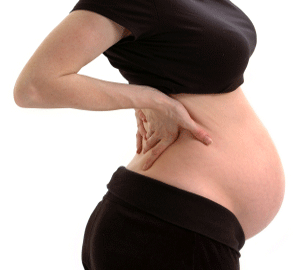
Most women experience back pain at some point during the course of their pregnancy. The lower back is the area most commonly affected. The reasons for this are twofold. The impact of of the increasing size of a pregnant woman’s belly. Not only does the added weight in this area affect the muscle tone of the abdomen, but it also alters the mom-to-be’s centre of gravity and therefore her posture. As a result, muscle strain in the lumbar region is not uncommon.

The second reason that underlies back pain in pregnancy is the impact of hormonal changes that occur at this time. The pregnancy hormone relaxing makes your ligaments more elastic, allowing the pelvic bones that form the birth canal to accommodate the baby’s head during delivery. Unfortunately, because hormones are carried all round the body in the bloodstream, other ligaments also become loser and you are more at risk of general joint strains, as well as strain to the joints in the spine.

Back Pain Specialist

Dr Mathew Tung

Dr Mathew Tung Neurosurgeon

Book Appointment Online for Lower Back Pain Treatment

Back pain is an extremely common complaint. 90% of the adult population would have experienced back pain at some point in their lives and approximately half of these people would have experienced recurrent back pain.

Many conditions give rise to back pain. The most common source of pain is related to the encountered causes include disorders of abdominal oragans (pancreatitis, kidney stones or infection), blood vessels injuries (aortic dissection) and infections affecting nerves (shingles). Despite investigations, some cases of back pain have not attributable cause. The good news is that, no matter what the cause of the pain is, the majority of back pain resolves spontaneously within six to eight weeks.

Spine Anatomy Top ViewCauses of Back Pain

The following are common causes of back pain related to the spine and surrounding structures.

Degenerated lumbar disc

A lumbar disc is the soft tissue found between each vertebra. It is responsible for spinal stability, mobility and absorption of shock transmitted through the spine. 80% of the composition of a normal disc is water. This gives it a springy consistency and allows for normal function. When a disc undergoes degeneration, it loses some of its water content. As a consequence of this, the disc loses its thickness and bulges at its periphery. This bulging irritates nerves found at the edge of the disc, giving rise to back pain. This pain can radiate down to the buttocks and is aggravated by prolonged sitting, one would tend to slouch and this flexes the spine, increasing the pressure on the disc. This further irritates the nerve, thus worsening the pain in the back and buttocks (discogenic back pain).

Herniated lumbar disc (slipped disc)

Herniated Disc

A herniated lumbar disc occurs when the central jelly-like part of the disc (nucleus pulposus) bulges through a fissure in the outer capsule (annulus fibrosis) of the disc. This herniation often causes pressure on the nerves supplying the lower limbs resulting in leg pain, in addition to back pain. There can also be lower limb weakness and numbness due to impairment of nerve function secondary to compression. Occasionally, the herniated disc can cause compression of the nerves supplying the bowel and bladder resulting in incontinence (cauda equina syndrome). This is an emergency condition which requires urgent surgery. If there is a delay in the treatmetn of cauda equina syndrome, incontinence can be permanent.

Spinal Stenosis

Spinal stenosis is characterised by back pain associated with leg pain after walking for a certain distance. This phenomenon is known as neurogenic claudication. The walking distance achievable is predictable and the leg pain can also be predictably relieved by sitting down but not by standing still. This condition is caused by narrowing of opening of the spine through which the nerves supplying the lower limbs exit. The narrowing is often due to arthritis of the small joints of the spine (facet joints) which results in enlargement of the joints from growth of bone spurs (osteophytes). The narrowing is also contributed by bulging, degenerate discs.

Myofascial pain

This is pain originating from the muscles and supporting soft tissues surrounding the skeletal portion of the spine. It is characterised by tenderness over localised areas  on the back (trigger points). Pain is typically relieved by stretching the involved muscle group or by trigger point release (massage) or injection.

Spinal Fractures, Infections and Tumours

While uncommon, these are particularly sinister causes of back pain associated with poor outcomes if not detected and treated early.

When to Seek Treatment

These are factors that may point towards a condition that requires urgent treatment such as a fracture, infection or tumour (“red flags”).

  • Recent trauma such as a fall from a height or motorcycle accident.
  • Recent mild trauma in an individual above the age 50 such as a fall onto the buttocks.
  • History of prolonged steroid use.
  • Someone with a history of osteoporosis.
  • Any person above the age of 70 due to increased risk of cancer, infection and non-spinal cause of back pain.
  • Previous history of cancer.
  • History of recent infection.
  • Temperature over 38.5 degrees Celsius associated with back pain.
  • Intravenous drug use.
  • Back pain worse at rest which is associated with infections and tumours.
  • Recent unexplained weight loss.

Other characteristics of pain which warrant urgent medical attention include –

  • Prolonged back pain.
  • Back pain associated with acute onset weakness or numbness of the lower limbs or lower limb pain.
  • Back pain associated with incontinence.

Assessment and Treatment

A doctor’s assessment of back pain includes obtaining a history regarding the pain, associated symptoms and conditions. This is followed by an examination of the back and nerve function of the lower limbs.

If a spinal condition for back pain is suspected, a X-ray will be performed. A MRI scan may also be requested for if there is any impairment of nerve function or presence of any “red flags”.

The majority of back pain is treated with rest, medications and physical therapy. In very selected conditions, surgery is necessary.

Back Pain Specialist

Dr Mathew Tung

Dr Mathew Tung Neurosurgeon

Book Appointment Online for Back Pain Treatment

Our fondness for driving goes hand-in-hand with our tendency to shy away from exercise. Often, we will hop in the car, rather than walk down to the shops or to school or work. Whilst this may save us time, in the long term it may also increase our chances of developing back problems and other health problems  It is well known that people who lead active lifestyles are less likely to die early, or to experience major illnesses such as heart disease, diabetes and colon cancer.

Unfortunately for some people, spending long periods of time sitting in a car is unavoidable (e.g. taxi drivers, bus drivers, salespeople). The constant vibration of the wheels on the road, hunching over or gripping the steering wheel, sitting in the same position and stretching to depress the clutch or see out of the mirror, all take their toll on your back. It;s not just the driver who can stiffen up in a car either – passengers are often seated for long periods of time in a fixed position.

If you do spend a lot of time in your car, there are a number of things you can try to make yourself more comfortable:

  • bring your seat forward so that you can depress the clutch without having to stretch
  • adjust your mirrors properly
  • take regular breaks, ideally once an hour
  • try to avoid twisting when getting into or out of the car
  • keep a small cushion in the car to support your lower back
  • choose a car that is suited to your needs.

Choosing the Right Car

The Praying Test – Place both hands together, pointing forwards. You should be pointing straight at the centre of the steering wheel.

The First Test – Make a fist with your left hand, keeping the thumb to the side of the index finger. If you have sufficient headroom then it should be possible to insert the fist on the crown of the head.

The Right Leg Test – After driving the car for a short while, look down and examine the position of your right leg. Your right foot should still be roughly in line with your right thigh.

The Kerb Height Test – Swing your right leg out of the car as though you are getting out, and place your right foot on the ground. The surface of your right thigh should be sloping downwards (not upwards) towards your right knee.

These tests should only be performed then the are is stationary and carefully parked.

The Back Pain Battle

Fundamental Strategies for Managing Back Pain

IF YOU SUFFER from low back pain, you are in good company because most people experience back pain at least once in their lives. Over any given one year period, more than one third of the population will experience back pain. Of these people, most who experience activity-limiting back pain will go on to have recurring episodes.

Risk Factors

The most common ages for patients to suffer back pain is between 20 and 30 years and again in the 60s. Females tend to suffer from low back pain more than males. Being overweight increases the risk of someone developing back pain. Psychological factors such as stress, anxiety and depression are factors linked to back pain. Interestingly, degeneration of the lower spine (lumbar spine) is more related to heredity (genes) than heavy physical loading, which was thought to be a major contributor.

Causes of Back Pain

There are a multitude of causes of low back pain. It may arise from numerous anatomical locations such as bones, intervertebral discs, joints, ligaments, muscles, nerves and blood vessels. In each of these locations, conditions such as degeneration, infection, tumour and trauma may result in back pain.

Assessment of Back Pain

The aims of assessment of back pain by healthcare professional include:

  • Ruling out potentially serious spinal conditions such as fractures, tumours and infection
  • Identifying the cause of the back pain
  • Detecting significant nerve damage caused by the disorder

In order to achieve these aims, in addition to obtaining a history of the pain and examining the patient, the doctor may need X-rays and specialised tests such as a MRI scan may be required.

Managing Back Pain

Specific causes of back pain require targeted treatment (which is beyond the scope of this article). As such, we will highlight general measures used to control back pain.

REST

While rest is intuitively enforced with a patient suffering from back pain, prolonged bed rest is associated with a longer recovery period. Current recommendation is for bed rest to be limited to 48-hours. Normal activities should be resumed as soon as possible.

MEDICATION

Anti-inflammatory medications are commonly prescribed for the control of back pain. Paracetamol is similarly effective. Topical medications such as heating rubs have not been proven to be useful.

ICE/HEAT TREATMENT

Although there is no conclusive evidence that the use of these measures reduce back pain, because the potential for harm is low and some patients do find that they give relief, ice/heat treatment can be attempted.

BACK EXERCISE

No specific back exercise improves pain during the episode of acute pain. In fact, stretching and other activities that put an additional strain on the back are discouraged. Back exercises, though, help patients with chronic back pain (lasting more than 3 months).

Preventing Back Pain

GENERAL EXERCISE

exercise is important for general health and need not be avoided. High-impact activities, though, can aggravate back pain. Low-impact activities such as swimming, cycling and walking are recommended. Regular exercise has the added benefit of reducing obesity, which is a risk factor for back pain.

SPECIFIC EXERCISE / PHYSIOTHERAPY

Exercises that strengthen the core muscles (abdominals and back muscles) may decrease the tendency for one to suffer back pain. Specific exercises can be recommended by a physiotherapist. Pilates and yoga help with back pain by strengthening these muscles.

LUMBAR SUPPORT BELTS

Workers who frequently perform heavy lifting wear these belts but there is no evidence that they work to prevent back pain. On the contrary, there is evidence to suggest that they may increase the risk of a back injury!

STANDING

While standing, the head should be kept upright and the stomach pulled in. High heels should be avoided.

SITTING

Chairs should be at an appropriate height for working. In addition, they should have good lumbar support, as should car seats. If this is found to be lacking, a rolled-towel or small pillow should be employed.

SLEEPING

Individual needs vary but an excessively soft or hard mattress can cause back pain. In general, a moderately firm mattress is recommended but some trial and error may be required.

LIFTING

Avoid lifting objects that are too heavy. Good lifting technique is paramount whatever the weight of the object. The back should be kept straight and upright while the lifting is performed with the knees. The object is close to the body to reduce stress on the spine.

Dos for Back Pain Sufferers

Do see a doctor immediately (these are emergencies) if:

  • There is sudden bladder or bowel dysfunction.
  • Back pain is associated with fever and chills.
  • Back pain is caused by a severe injury.
  • There is a history of cancer with recent weight-loss associated with the back pain.

Don’ts for Back Pain Sufferers

Don’t neglect a back pain. If a back pain lasts longer than two weeks, the back muscles start to weaken.

Since using the muscle hurts, there is tendency to avoid using them. This leads to muscle wasting and weakness. This, in turn, causes more back pain because the muscles are not able to hold up the spine.
Book Appointment Online for Back Pain Treatment

Lower Back Pain During Pregnancy

Back Pain During Pregnancy

Back pain or discomfort is common during pregnancy and should be expected to some degree by most women. Back pain may be experienced during any point of your pregnancy; however, it most commonly occurs later in the pregnancy as the weight of the baby increases. Back pain can disrupt your daily routine or interfere with a good night of sleep. The good news is there are steps you can take to manage the back pain that you experience.

How Common is Back Pain During Pregnancy?

You are not alone if you are experiencing back pain during your pregnancy. The prevalence varies with reports, showing between 50 to 70 percent of all pregnant women having back pain.

What Causes Back Pain During Pregnancy?

Back pain during pregnancy is related to a number of factors. Some women begin to experience lower back pain with the onset of pregnancy.  Women who are most at risk for back pain are those who are overweight or had back pain prior to pregnancy. Here is a list of potential causes of back pain or discomfort during pregnancy:

  • Increase of hormones – hormones released during pregnancy allow ligaments in the pelvic area to soften and the joints to become looser in preparation for the birthing process of your baby; this shift in joints and loosening of ligaments may affect the support your back normally experiences
  • Center of gravity – your center of gravity will gradually move forward as your uterus and baby grow, which causes your posture to change
  • Additional weight – your developing pregnancy and baby create additional weight that your back must support
  • Posture or position – poor posture, excessive standing, and bending over can trigger or escalate the pain you experience in your back
  • Stress – stress usually finds the weak spot in the body, and because of the changes in your pelvic area, you may experience an increase in back pain during stressful periods of your pregnancy

How can you prevent or minimize back pain during pregnancy?

Back pain may not be prevented completely, but there are things that you can do to reduce the severity or frequency. Here are a few steps you can take to help reduce the back pain you are experiencing:

  • Use exercises that we taught you that support and help strengthen the back and abdomen
  • Squat to pick up something versus bending over
  • Avoid high heels and other shoes that do not provide adequate support
  • Avoid sleeping on your back
  • Wear a support belt under your lower abdomen
  • Get plenty of rest. Elevating your feet is also good for your back

How can you treat back pain during pregnancy?

There are a number of things you can do to treat back pain during pregnancy. Some of the steps you take to avoid back pain may also be used to treat current back pain. Here are some other common interventions:

  • Ice or heat
  • Braces or support devices
  • Sleep on your left side and use a support pillow under your knees
  • Medications used to treat inflammation

When to contact your health care provider?

You want to contact us if you are experiencing any of the following:

  • Severe back pain
  • Increasingly severe or abrupt-onset of back pain

Back Pain Specialist

Dr Mathew Tung

https://www.orthopaedicsurgeon.com.sg/book-appointment/

Dr Mathew Tung Neurosurgeon