What is Sciatica?


Sciatica
Sciatica

Sciatica is pain resulting from irritation of the sciatic nerve. The pain of sciatica is naturally felt from the low back to behind the thigh and radiating down to below the knee.

What are the causes?


The main cause of sciatica is generally a result of a disc herniation directly pressing on the nerve. However any cause of irritation or inflammation of this nerve can reproduce the symptoms of sciatica. These causes include irritation of the nerve from adjacent bone, tumors, muscle, internal bleeding, infections, injury, and many others.

What are the treatments?


Traditionally bed rest has been used for the treatment of sciatica. Other treatments for sciatica include addressing the underlying cause, medications to relieve pain and inflammation and relax muscles, and physical therapy. Surgical procedures are sometimes required for persistent sciatica that is caused by nerve compression at the lower spine.
Book Appointment Online

What is Coccydynia?

Taibone Pain (Coccydynia)

Coccydynia is the inflammation of the tip of the tailbone and the pain is often worse on sitting.

How is Coccydynia Pain Diagnosed?

Coccydynia is commonly diagnosed based solely on the symptoms and the examination findings of local tenderness over the tailbone.

What are the Causes?

Coccydynia is often caused by an injury, but it may occur spontaneously. There are many causes of tailbone pain which can mimic coccydynia, including sciatica, infection, pilonidal cysts, and a fractured coccyx bone.

What are the Treatments?

Treatments include using a well-padded seat when sitting and avoid long periods of sitting when possible. Some patients with persistent coccydynia are treated with local cortisone injection.

Call Us at +65 80859224 for appointment and treatment.

Minor Back Injury


Most back injuries are caused by lifting of heavy load or twisting injury. You may strain your back as a result from overuse of the muscles and ligaments in the back. Back pain caused by a minor injury will usually go away by itself within a month.

Moderate Back Injury


Moderate back injuries may result from tripping or slipping and falling short distances which involve excessive twisting of the spine.

Severe Back Injury


Severe back injuries are more likely to cause more serious problems. Severe back injuries may be caused by:

  • High-energy injuries, such as motor vehicle accidents, falls from significant heights, and major sports-related injuries, for e.g. rugby, boxing, etc.
  • Direct blows to the spine from moving objects.
  • Blows that transmit significant force to the spine, such as being struck on top of the head or falling on the buttocks.
  • Penetrating injuries, such as gunshot wounds or stab wounds.

Severe back injuries must be checked by a doctor right away.

Call Now (65) 80859224 for an appointment.

Video


Complaints of back pain by pregnant women are common. Usually, the pain diminishes within two weeks after delivery. But back pain may return as you begin lifting and carrying the infant on a daily basis. As the infant grows, the weight load increases and back pain can result.

Caring for an infant puts stress on your back. Initially, you may be lifting the 7- to 10-pound baby up to 50 times a day. By the time the child is a year old, you are lifting and carrying 17 pounds. Two years later, you will be lifting a 25- to 30-pound child.

Here are ten ways that new mothers can help reduce their risk of injury and back pain. Many of these tips also work well with new fathers!

Begin exercising soon after delivery to restore muscle tone to the abdominal and back muscles. While the baby is napping, take 10 minutes to do stretching exercises on the floor each day. This will help restore hip and back flexibility.

  • Try to return to your normal weight within six weeks after giving birth.
  • Do not stretch your arms out to pick up the baby. Bring the baby close to your chest before lifting. Avoid twisting your body.
  • To pick up a child from the floor, bend at your knees-not at your waist. Squat down, tighten your stomach muscles and lift with your legs.
  • Remove the high chair tray when you are trying to put the baby in or take the baby out of the high chair.
  • When lifting the child up out of the crib, put the crib side down and pull the child toward you. Do not bend over the crib side and lift the baby over the top.
  • Consider using a “front pack” to carry the baby when you are walking.
  • Do not carry a child on your hip; this overloads the back muscles.
  • To avoid upper back pain from breastfeeding, bring the baby to your breast, rather than bending over the baby. While you are nursing, sit in an upright chair rather than a soft couch.
  • Do not stand outside the car and try to place the child in the car seat. Kneel on the back seat as you place the baby into the car seat. Consider trading in your sporty two-door model for a four-door vehicle, which will make it easier for you to place the child in the car seat.
  • If you had a Caesarian-section (C-section) delivery, wait six weeks or until you get the permission of your obstetrician before you begin exercising. Additionally, the risk of back pain is greater among young, overweight women.

Book Appointment Online

What is Neck Pain?

Neck Pain
Neck Pain

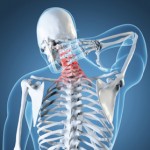
Pain located in the neck usually at the back or sides.

How is Neck Pain Evaluated?

Neck pain is evaluated by reviewing the history of the symptoms. In reviewing, the location, intensity, duration, and radiation of the pain will be noted. Any past injury to the neck is also taken into account. The neck is examined at rest and in motion. An examination of the nervous system is performed to determine whether nerve involvement is present. Further testing includes x-ray evaluation and MRI scan.

What are the Causes?

Neck pain can come from a number of disorders and diseases of any tissues in the neck, such as degenerative disc disease, neck strain, whiplash, a herniated disc, or a pinched nerve.

What are the Treatments?

The treatment of neck pain depends on its precise cause. Treatment options include rest, heat/ice applications, traction, soft collar, traction, physical therapy (ultrasound, massage, manipulation), local injections of cortisone or anesthetics, topical anaesthetic creams, topical pain patches, muscle relaxants, analgesics, and surgical procedures.
Book Appointment Online